What We Learned Designing Low-Energy Homes in Sussex
As architects, we believe sustainability should be considered from the very beginning of a project rather than added as an afterthought. Over recent years we have designed and delivered a number of highly efficient homes across Sussex, each responding to its site, context and the needs of its occupants while significantly reducing energy demand.
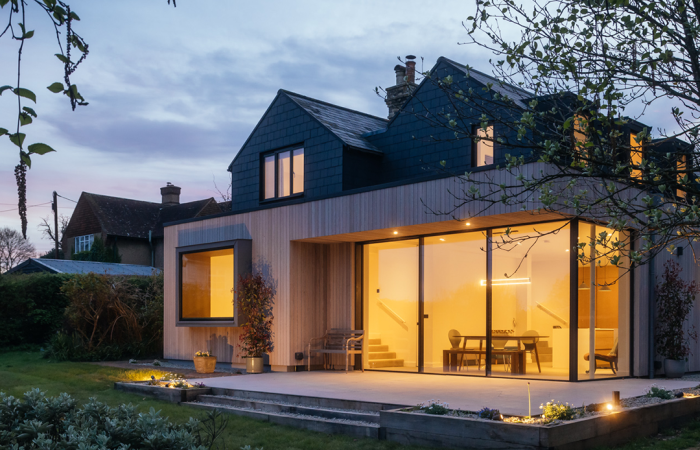
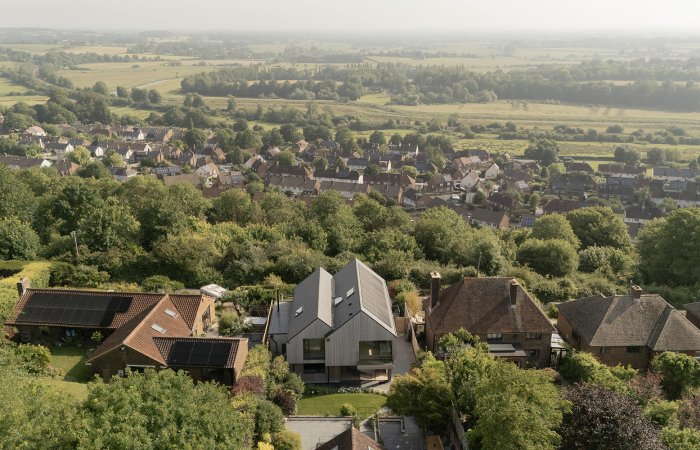
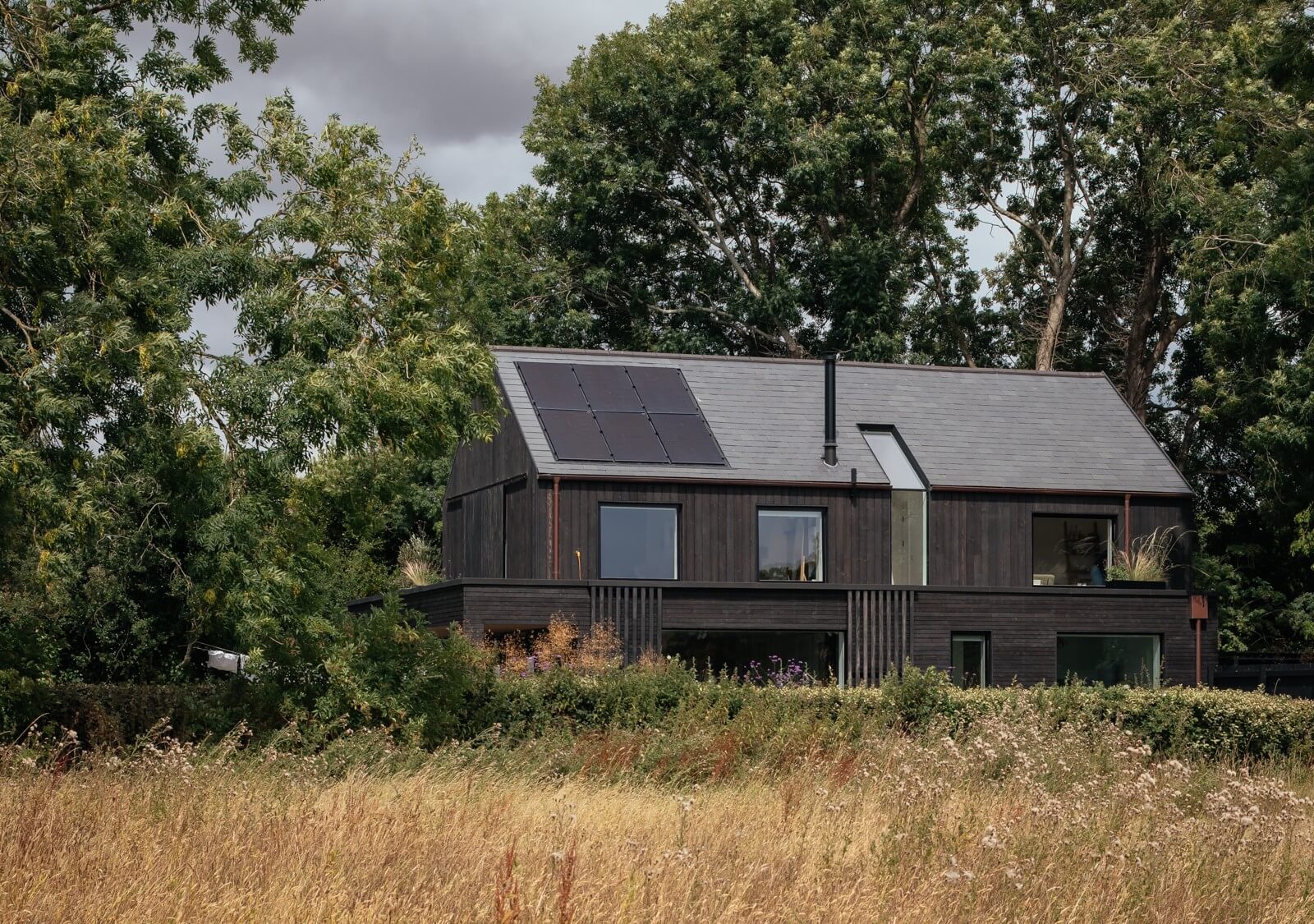
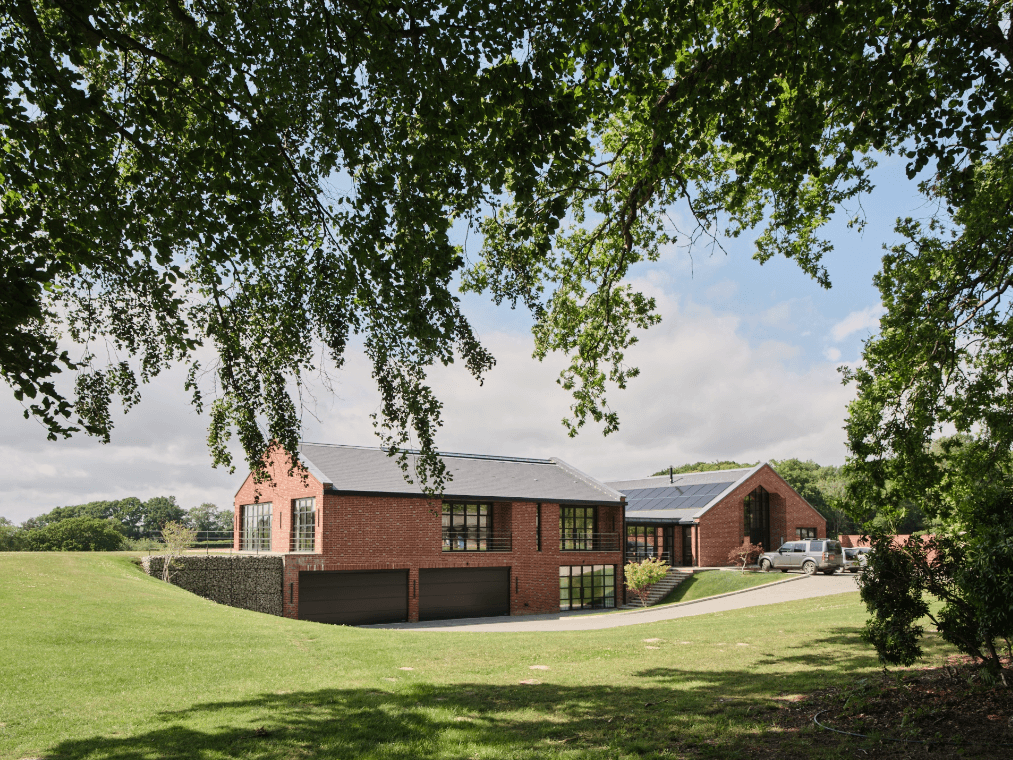
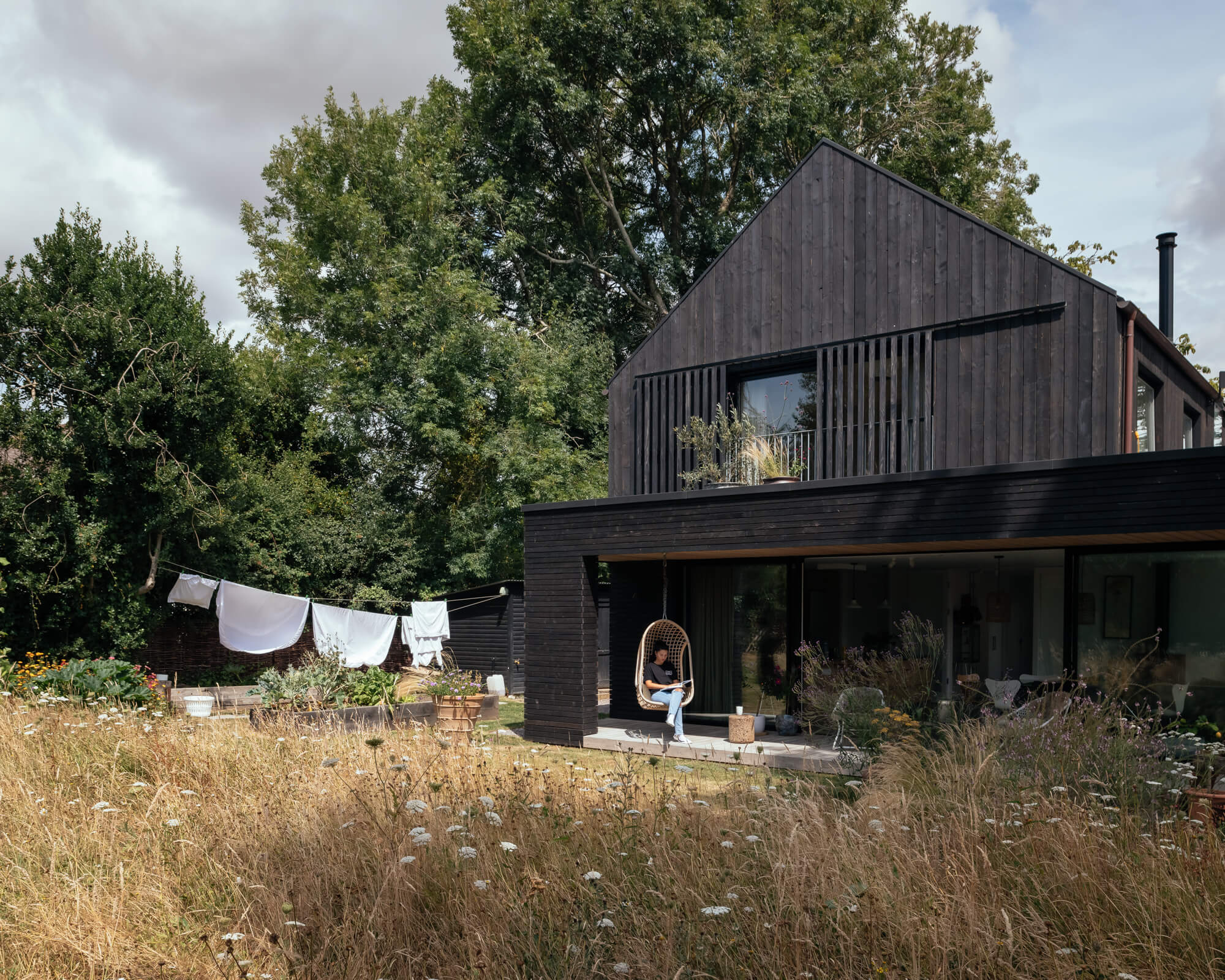
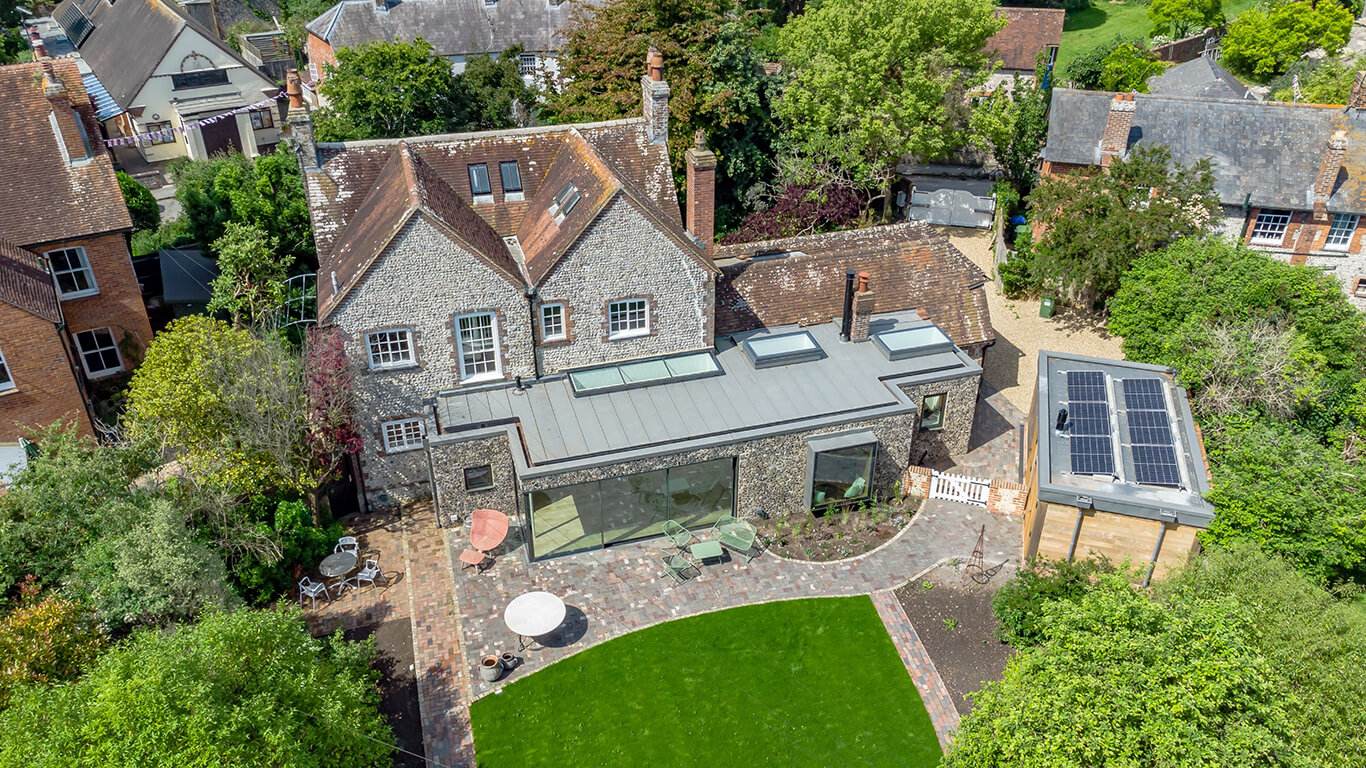
Projects such as Black Timber House, Old Rectory Cottage, Fairview and The Brick Barn have given us valuable insight into what makes a genuinely low-energy home successful.
Start with the Building Fabric
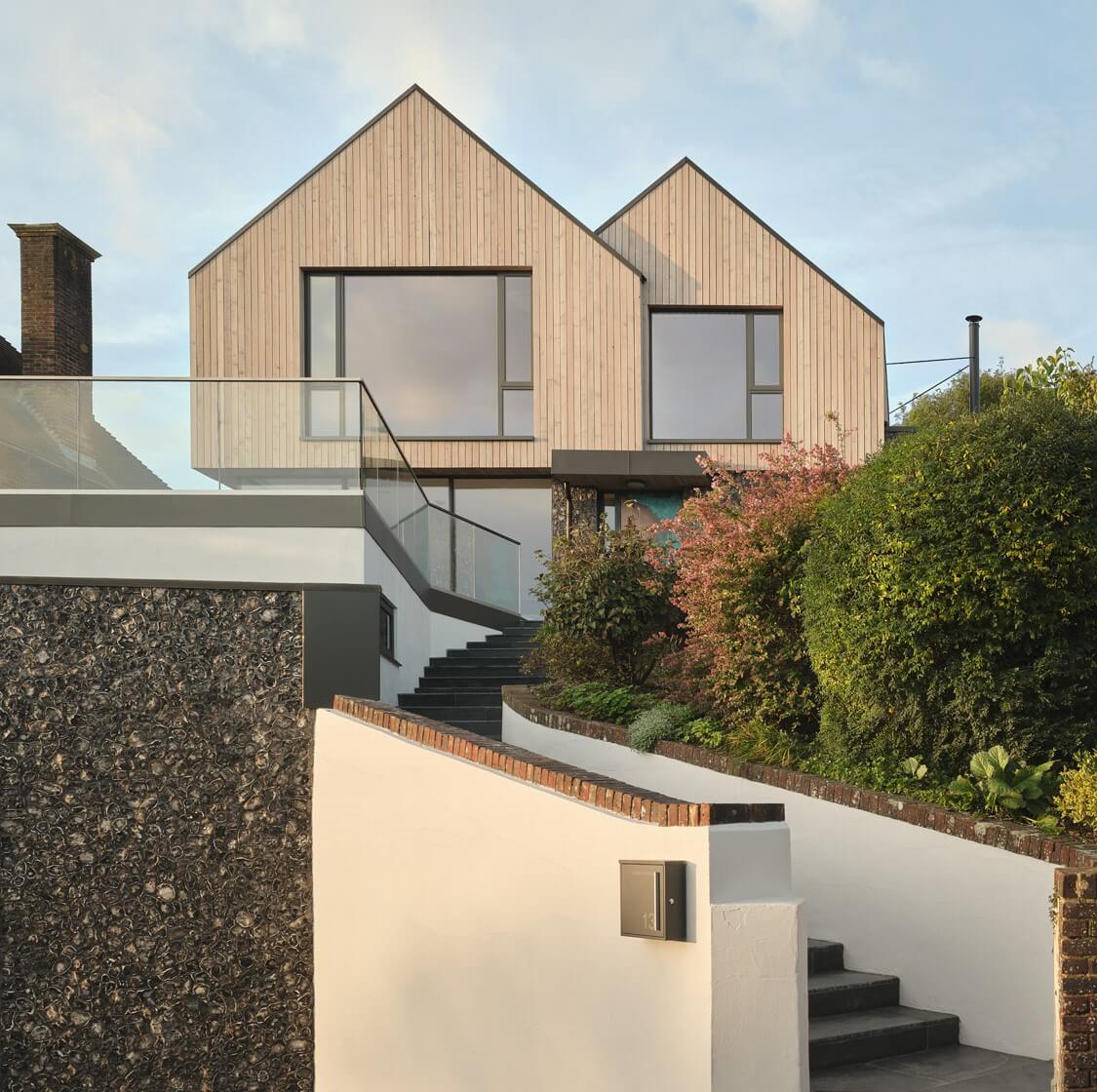
One of the most important lessons is that sustainability begins with the building itself. High levels of insulation, excellent airtightness and careful detailing are often more important than any single piece of technology. A well-designed building envelope reduces energy demand throughout the life of the home, creating a comfortable internal environment while lowering running costs.
Passive Solar Design Matters
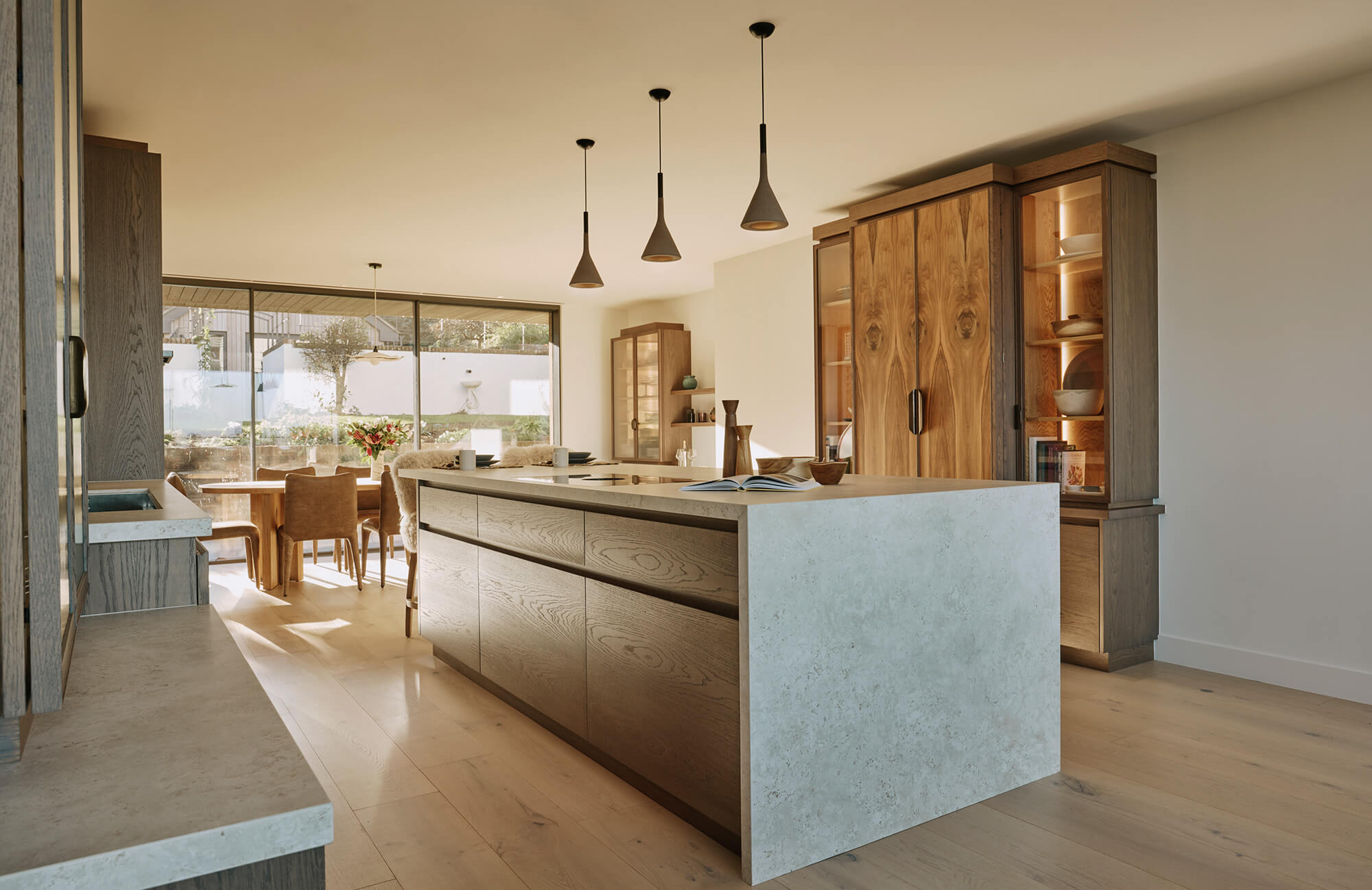
Understanding the path of the sun is fundamental. By positioning glazing carefully, we can maximise natural daylight and winter solar gain while minimising overheating during the summer months. At Black Timber House and Fairview, passive solar principles played a significant role in achieving excellent energy performance while creating bright and uplifting living spaces.
Technology Works Best When Demand Is Low
Air Source Heat Pumps, Mechanical Ventilation with Heat Recovery (MVHR), battery storage and solar PV systems can all contribute to reducing energy consumption. However, these technologies perform most effectively when paired with a highly efficient building fabric.
The goal is not simply to generate more energy but to need less energy in the first place.
Natural Materials Create Better Homes
Sustainable architecture is about more than energy performance. The use of natural materials such as timber, slate, flint and oak creates healthier and more enduring buildings that age gracefully and connect occupants to their surroundings.
Every Site Requires a Different Response
There is no single formula for sustainable architecture. A listed cottage, a replacement dwelling and a contemporary countryside home each require different solutions. What remains consistent is the need to balance environmental performance, architectural quality and the experience of living within the building.
Looking Forward
As building regulations continue to evolve and energy costs remain a consideration for homeowners, low-energy design is becoming increasingly important. Our experience across Sussex has shown that sustainable homes can be beautiful, comfortable and deeply connected to their setting while significantly reducing their environmental impact.
If you are considering a new build, renovation or extension project, we would be happy to discuss how sustainable design principles can be incorporated from the outset: info@hapa-architects.co.uk
Related Projects:
Related Services: