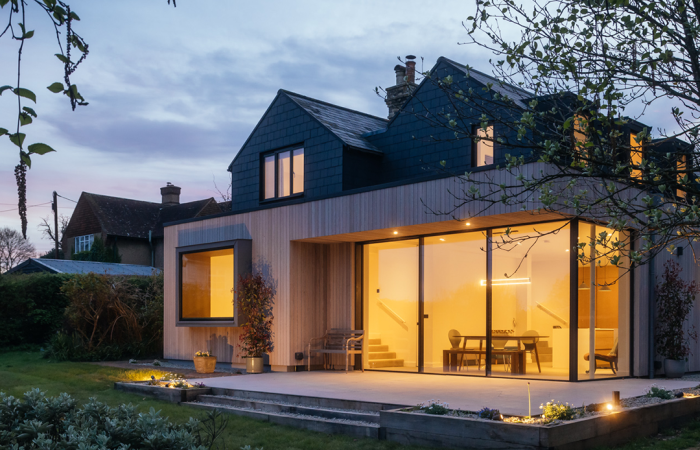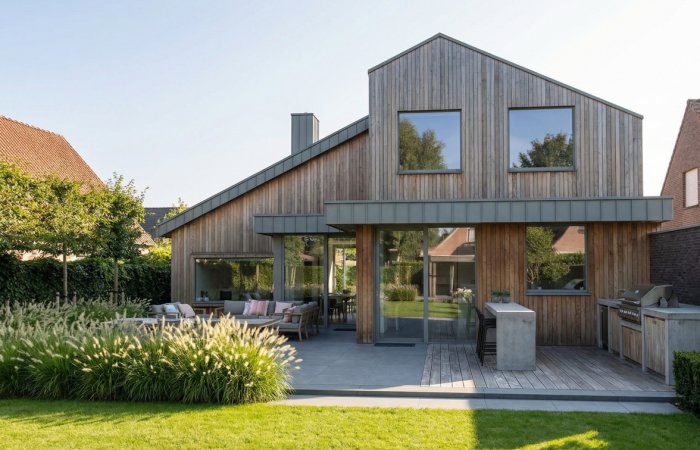
Designing Contemporary Homes in the South Downs National Park
The South Downs National Park contains some of the most beautiful landscapes in the country. It is also one of the most sensitive planning environments in which to design and build.
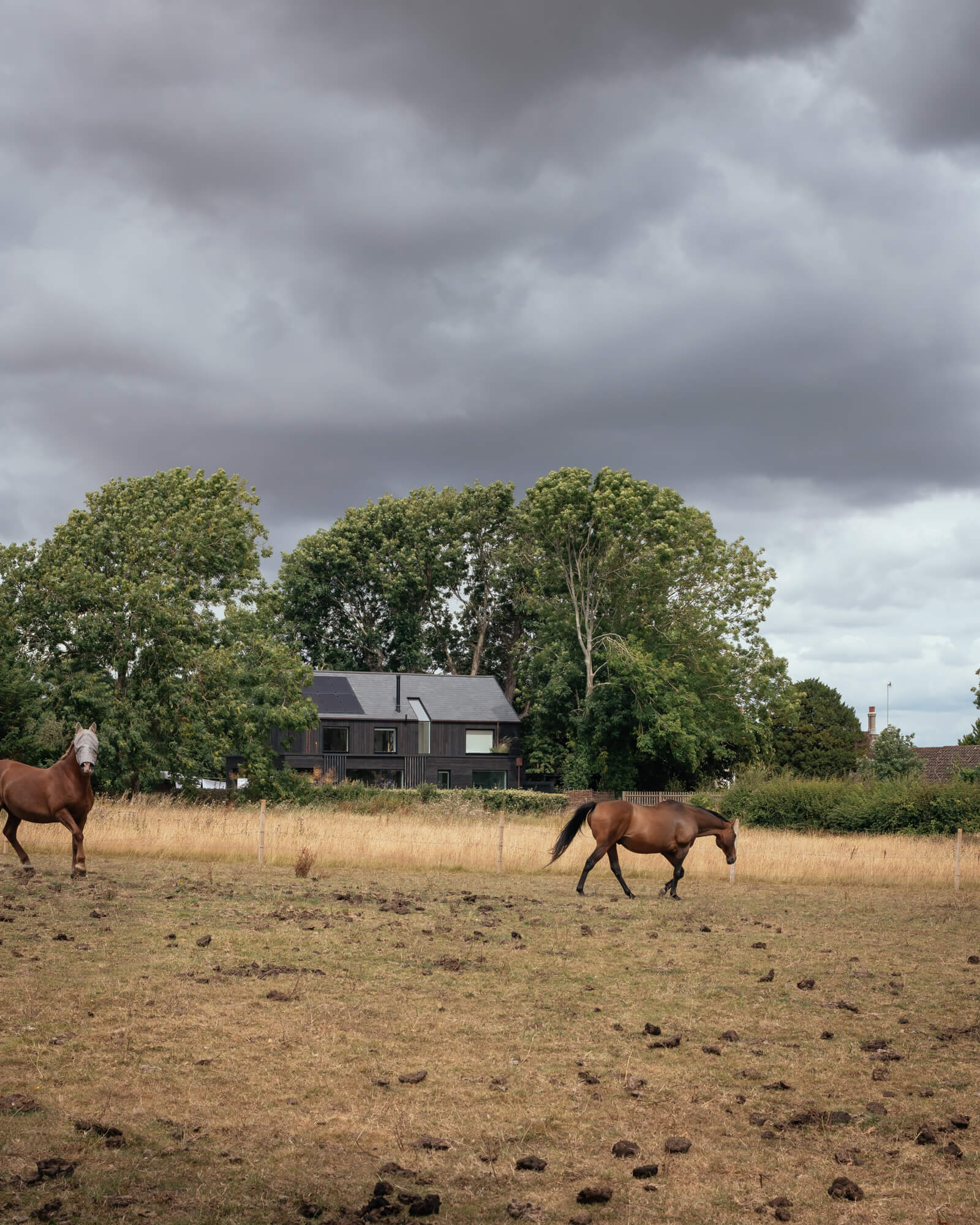
For architects, the challenge is to create contemporary homes that respond positively to their setting while respecting the landscape, local character and planning policies that protect the National Park.
Understanding Context
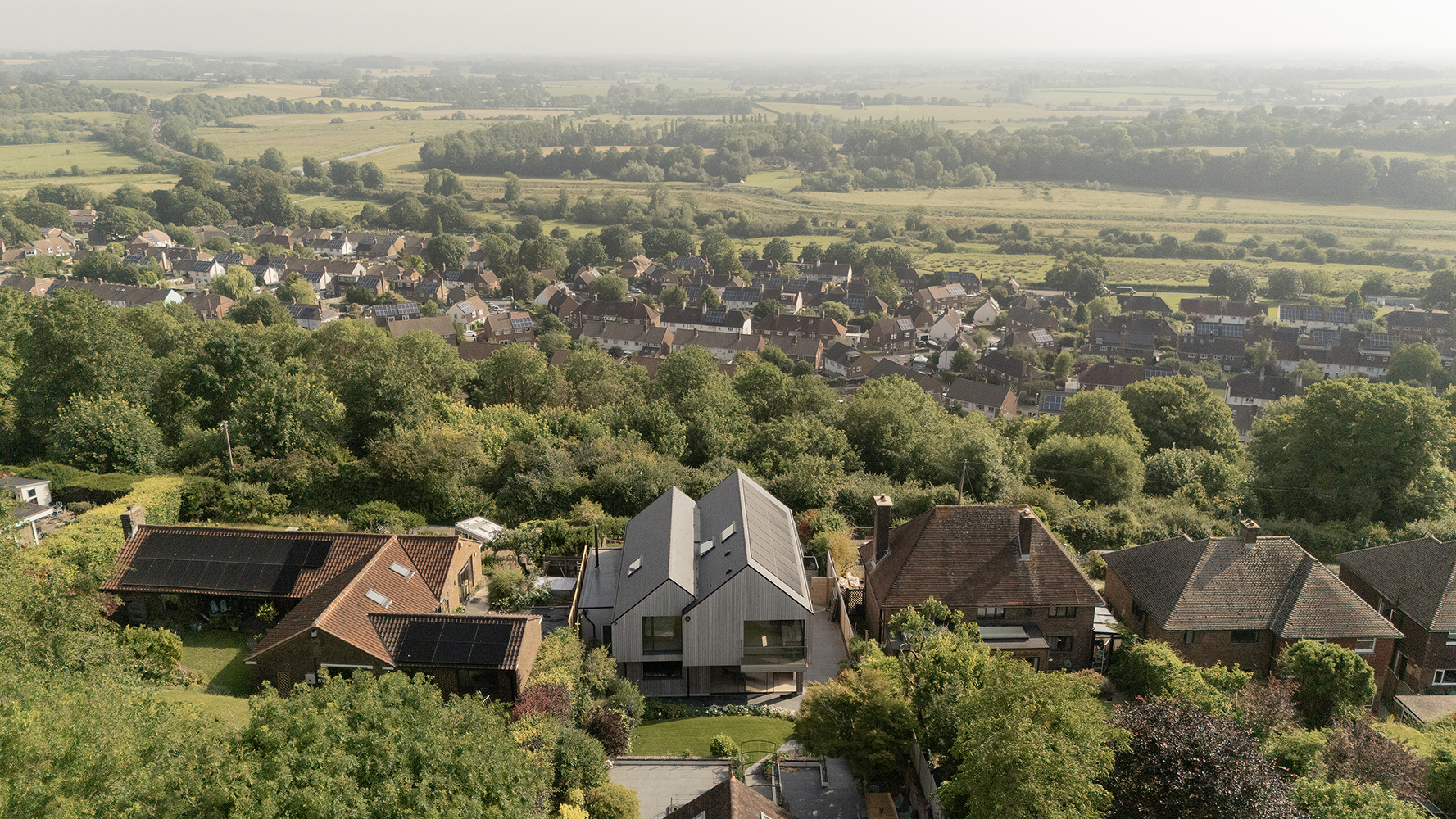
Every site within the South Downs has its own unique qualities.
Views, topography, existing vegetation, local materials and neighbouring buildings all contribute to the character of a place. Successful architecture begins with understanding these factors before developing a design response.
Contemporary Architecture Can Enhance Rural Settings
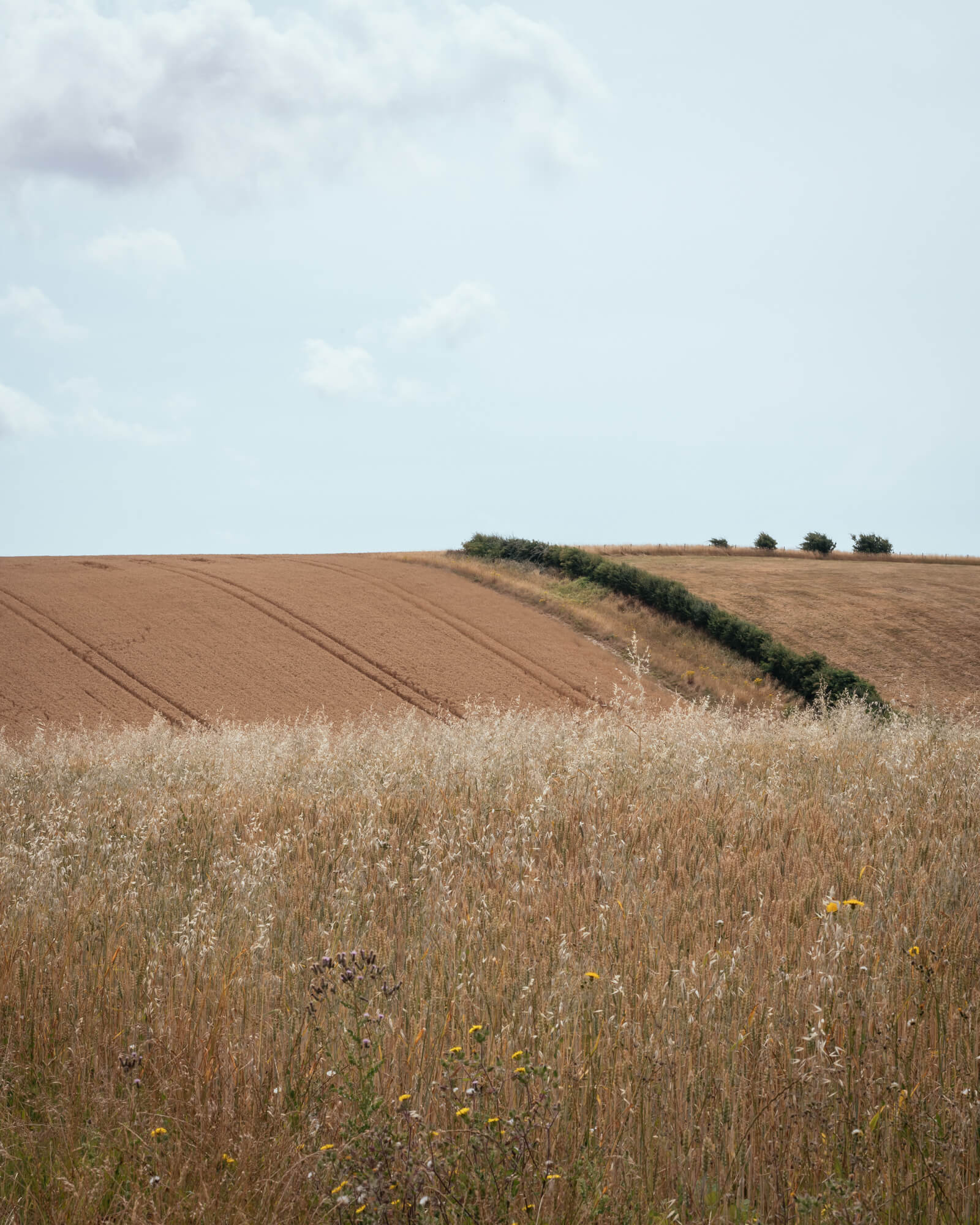
There is a misconception that contemporary architecture is unsuitable in rural environments.
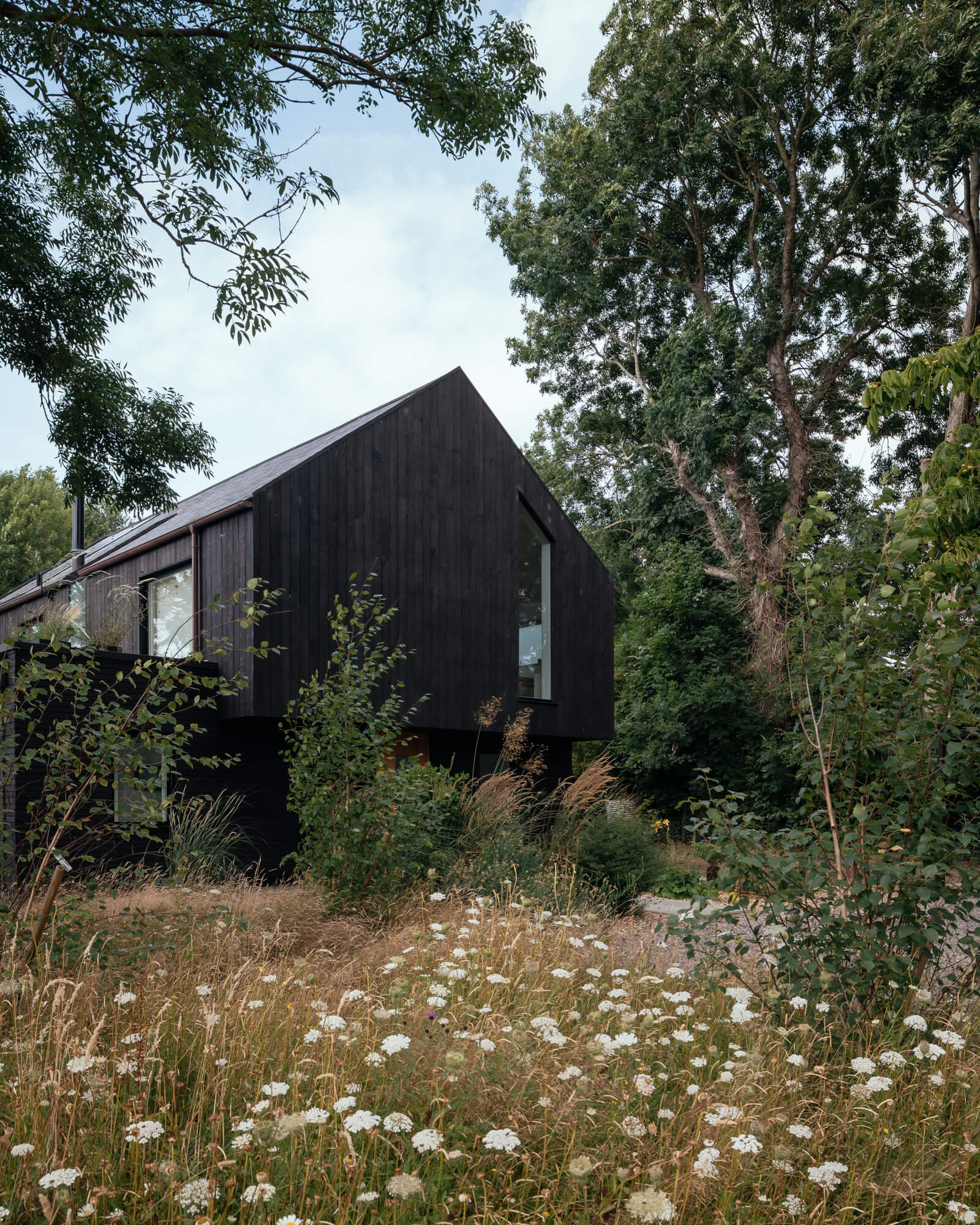
In reality, well-designed contemporary buildings can sit comfortably within the landscape when they are informed by local context, scale and materiality.
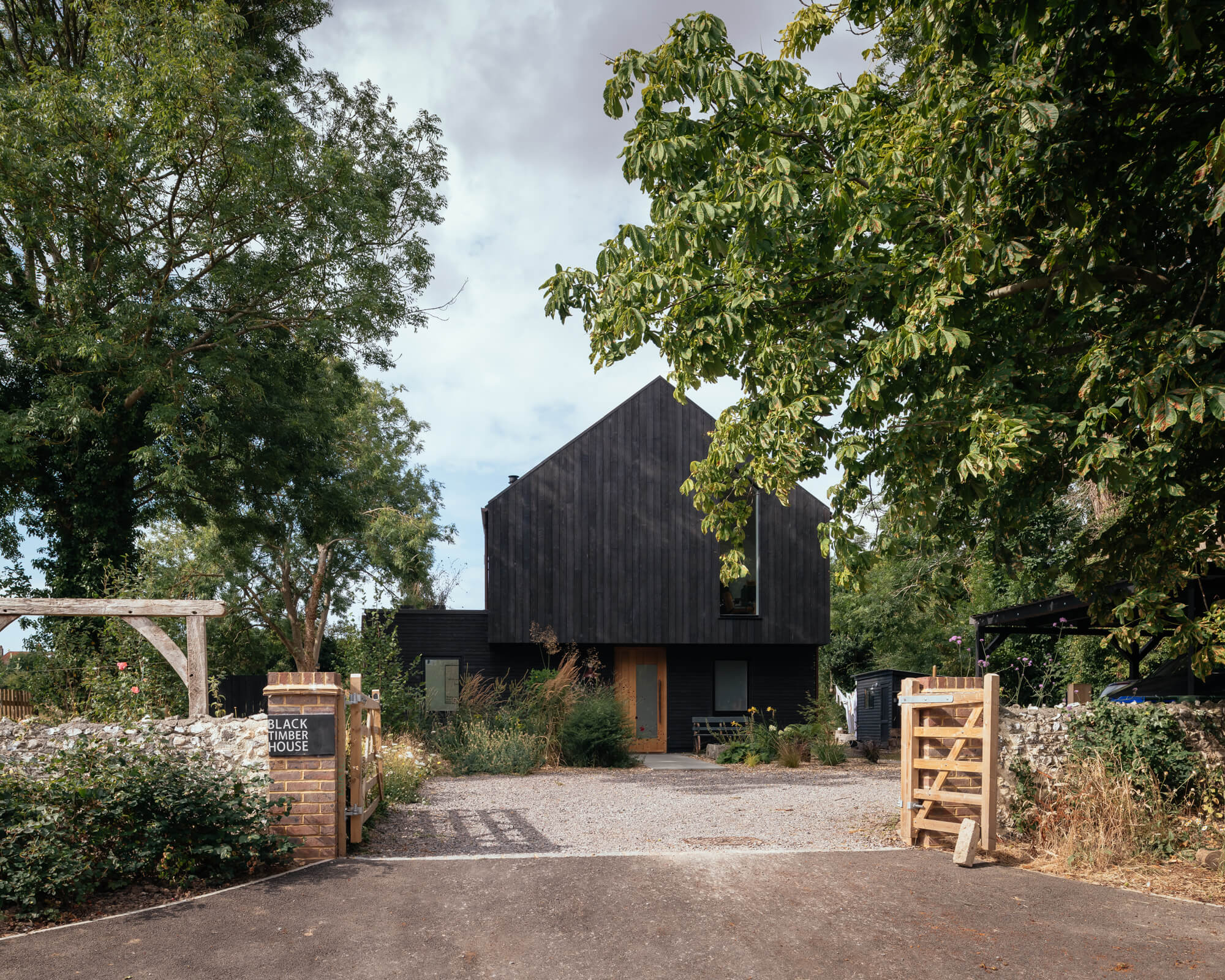
Materials Root Buildings in Their Landscape
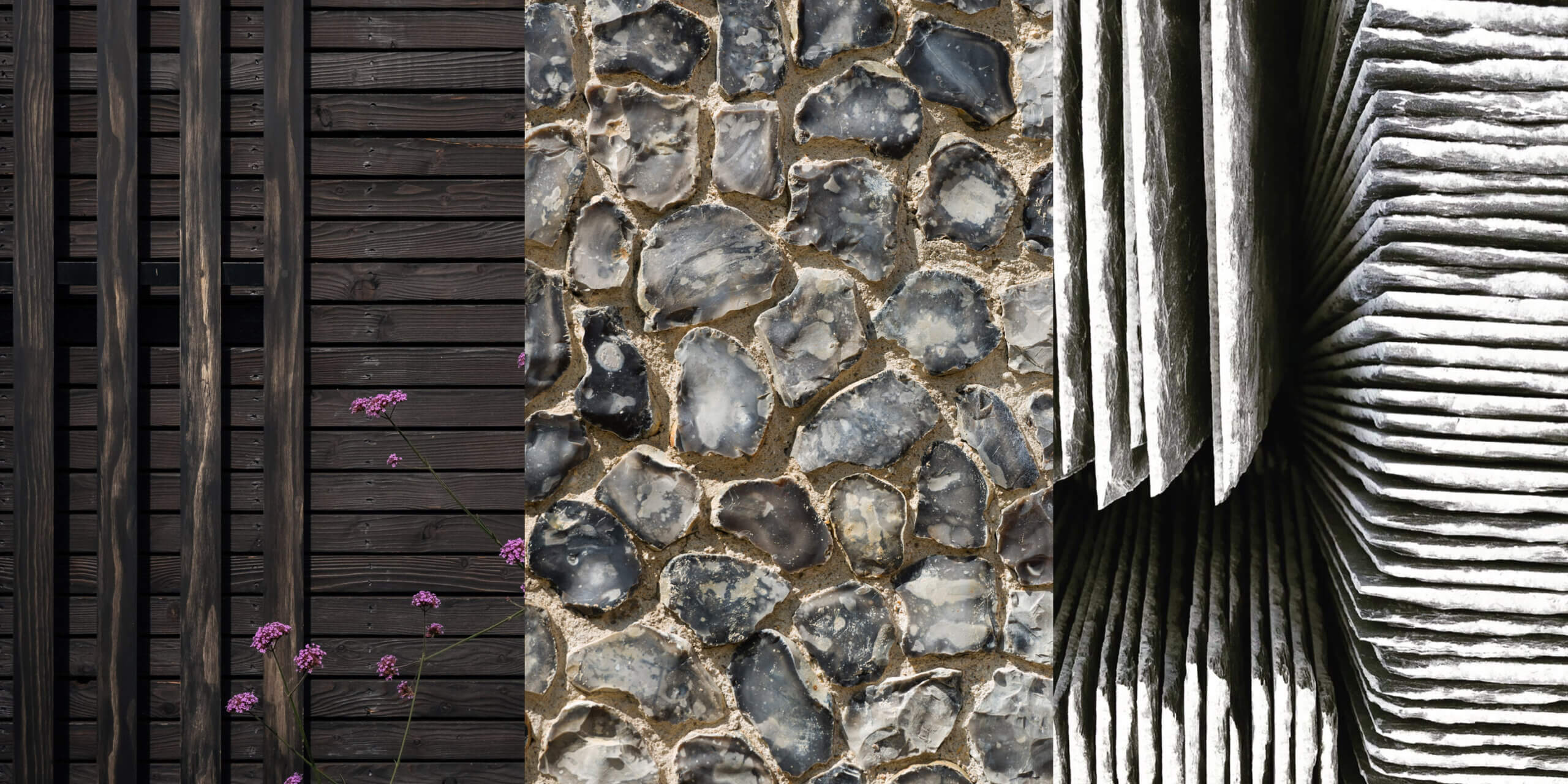
Natural materials such as timber, flint, slate and copper weather beautifully and help buildings become part of their surroundings over time.
These materials often provide a stronger connection to place than attempting to imitate historic architecture.
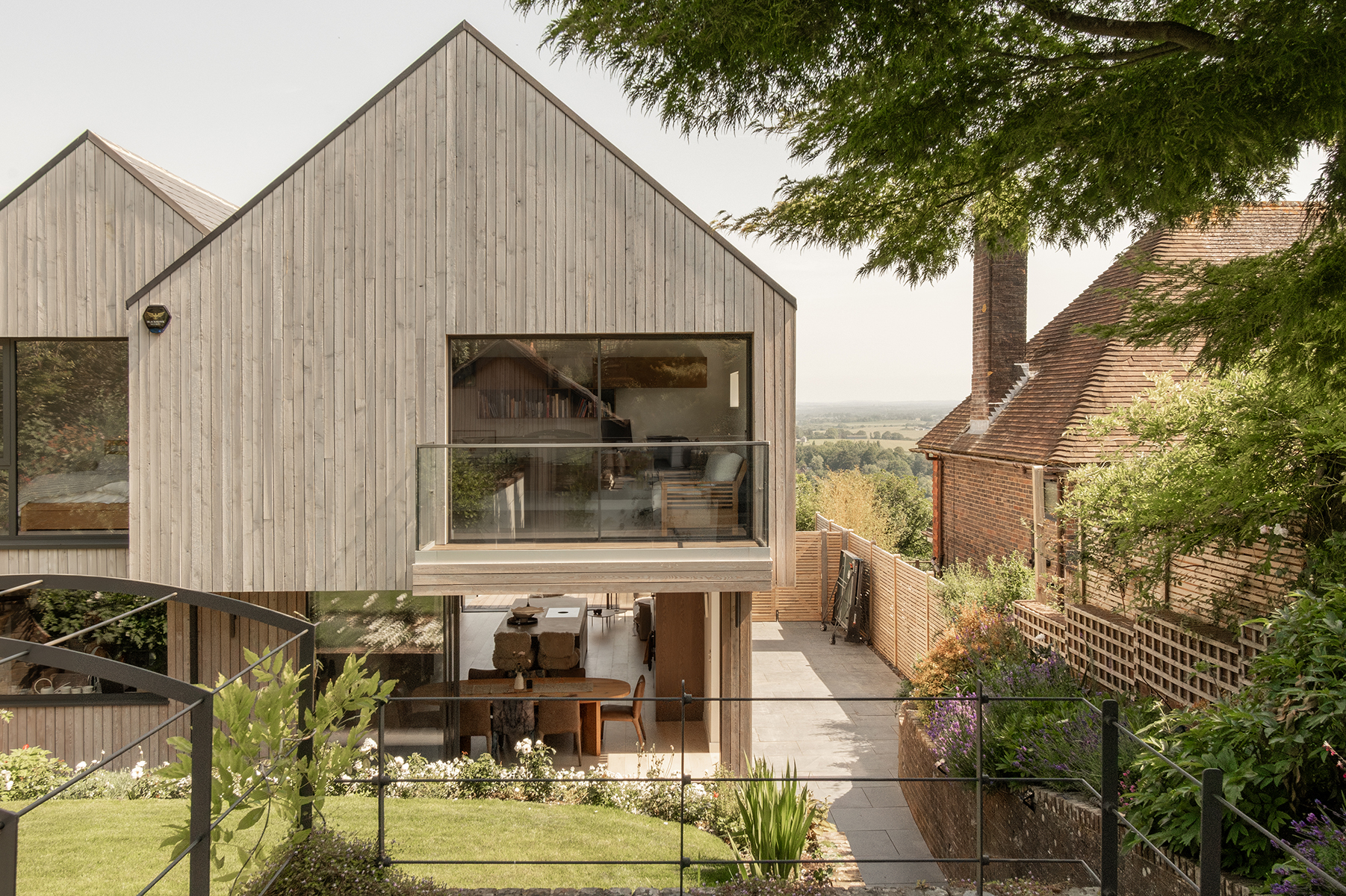
Sustainability and the Landscape
Contemporary homes also offer opportunities to achieve exceptional environmental performance.
Passive solar design, renewable energy technologies and high-performance building fabrics can significantly reduce energy demand while enhancing comfort for occupants.
Working with Planning Constraints
National Park projects often involve detailed discussions around landscape impact, design quality and sustainability.
A clear design rationale, supported by a thorough understanding of the site, is essential to achieving successful planning outcomes.
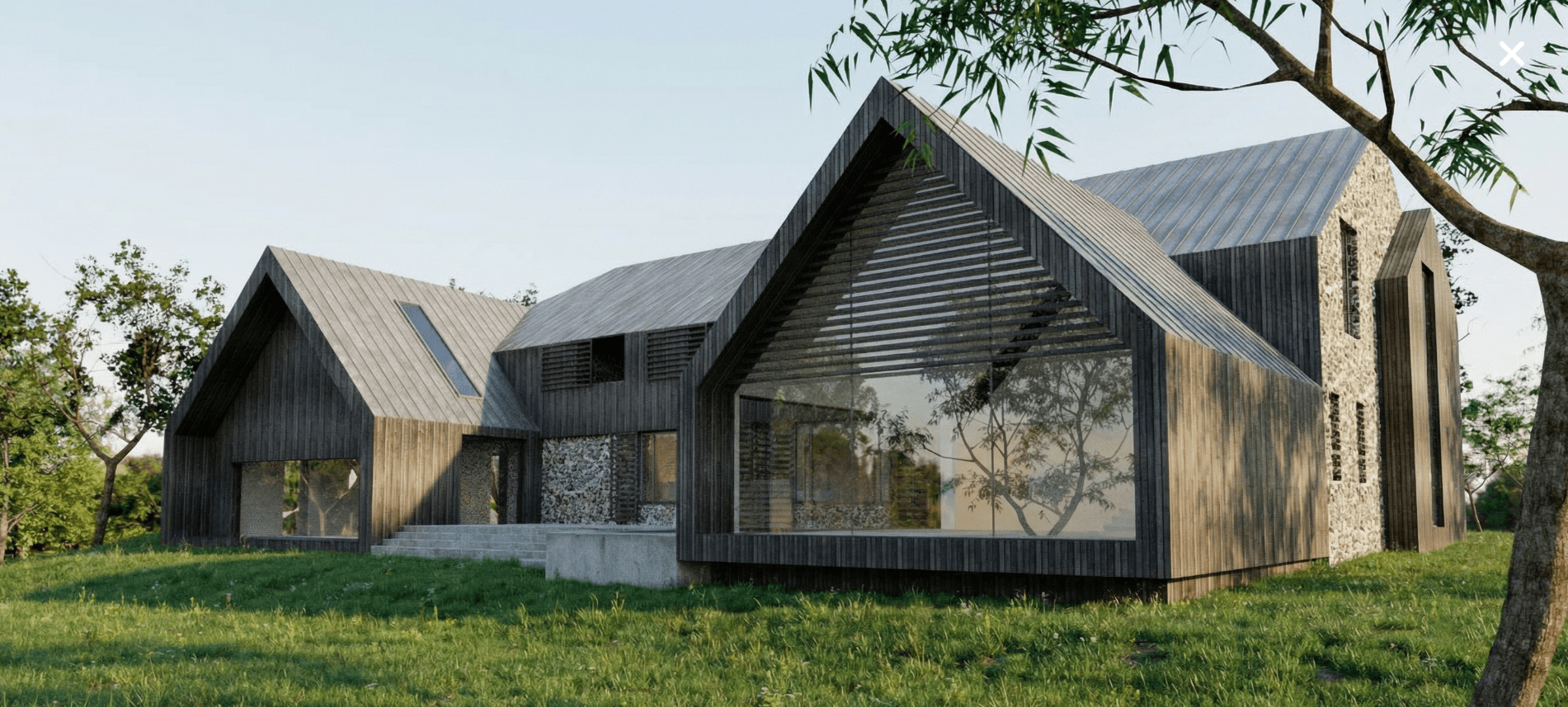
Designing for the Future
The best contemporary homes within the South Downs do more than simply minimise their impact. They enrich their setting, improve biodiversity and create inspiring places to live.
Thoughtful architecture has the ability to enhance both the landscape and the experience of those who inhabit it.
Related Articles: